Understanding AI Agents: Definition and Functionality
Artificial Intelligence (AI) agents have emerged as pivotal players in the technological landscape, capable of executing tasks autonomously, thereby enhancing operational efficiency across various sectors. These intelligent systems are designed to perform specific functions without direct human intervention. This article delves into the definition, functionality, and applications of AI agents, offering insights into their role in today’s digital environment. When exploring options, AI agents provide comprehensive insights into their capabilities and implementations.
What Are AI Agents?
AI agents are software programs that utilize artificial intelligence techniques to perform tasks and make decisions independently. They are designed to mimic human-like behavior, enabling them to interact with their environment, learn from it, and adapt their actions accordingly. The broad definition encompasses various forms, from simple automation bots to complex systems using machine learning algorithms that can improve their performance over time.
How Do AI Agents Work?
At the core of AI agents lies the concept of autonomy. These agents operate based on predefined algorithms and rules, which allow them to process information, analyze data, and make decisions without human input. They typically consist of the following components:
- Sensors: These gather input from the environment, such as user interactions or external data.
- Actuators: These execute actions based on the data processed, which can include sending messages, creating reports, or modifying settings in a system.
- Decision-Making Algorithms: AI agents utilize various algorithms, such as machine learning and rule-based systems, to analyze data and make decisions.
Common Misconceptions About AI Agents
Several myths surround AI agents, often leading to misunderstandings about their capabilities and limitations. Some common misconceptions include:
- AI agents are infallible: While AI agents can process large amounts of data quickly, they are not immune to errors, especially when dealing with ambiguous or incomplete information.
- AI can think like humans: AI agents operate based on algorithms and do not possess consciousness or emotional intelligence. Their "thinking" is purely computational.
- AI agents will replace human jobs completely: Although they can automate tasks, AI agents are designed to assist humans, not completely replace them.
Types of AI Agents and Their Applications
Categories of AI Agents: A Deep Dive
AI agents can be classified into several categories based on their functionality and application. These include:
- Reactive Agents: These respond to specific stimuli from their environment without maintaining a memory of past events. For example, simple chatbots that answer predefined questions.
- Deliberative Agents: These utilize a model of their environment, allowing them to plan and make decisions over time, such as advanced AI in gaming that strategizes based on player actions.
- Learning Agents: These continuously improve their performance by learning from data input over time, such as recommendation systems used by streaming services.
Real-World Examples of AI Agents in Action
AI agents are prevalent in many sectors today. Here are some practical examples:
- Customer Support: Companies like Zendesk utilize AI bots to handle customer inquiries, allowing human agents to focus on more complex issues.
- Healthcare: AI agents like IBM Watson assist healthcare professionals in diagnosing diseases by analyzing medical data and suggesting treatment plans.
- Finance: Robo-advisors are AI agents used in financial planning to provide investment advice based on user data and market trends.
Innovative Use Cases Across Industries
Beyond basic applications, AI agents are paving the way for innovation in various industries:
- Education: AI-powered tutoring systems provide personalized learning experiences for students, adapting to their learning styles and paces.
- Manufacturing: Smart robots equipped with AI capabilities streamline production processes, monitor quality control, and predict maintenance needs.
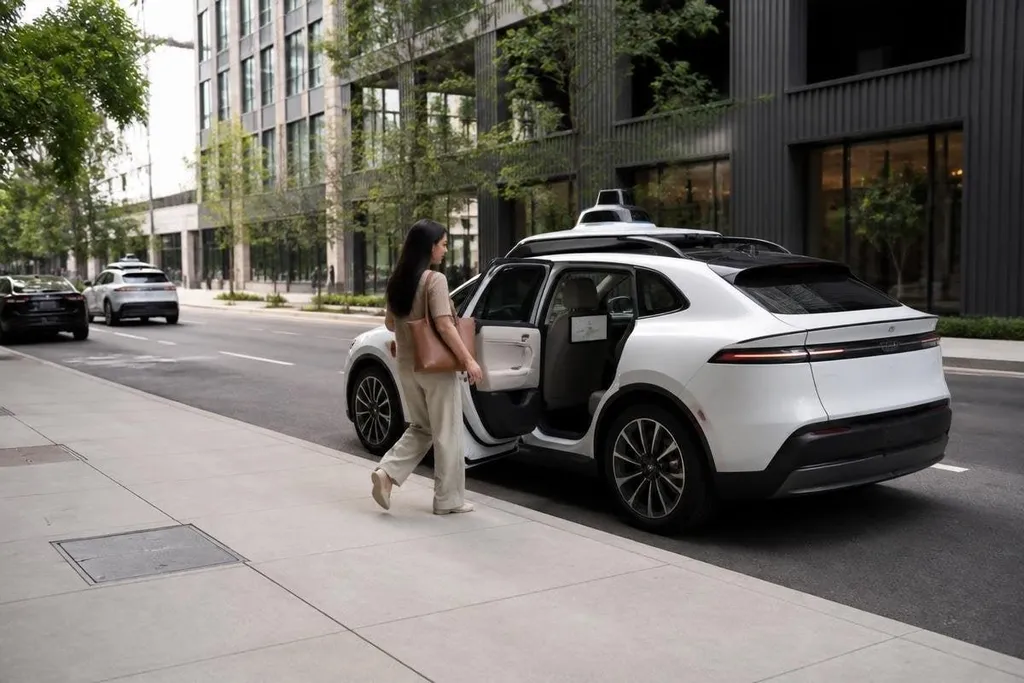
- Transportation: Autonomous vehicles utilize AI agents to navigate and optimize travel routes based on real-time traffic data.
Challenges of Implementing AI Agents
Common Obstacles in AI Integration
While AI agents have transformative potential, several challenges hinder their widespread adoption:
- Integration with Legacy Systems: Many organizations struggle to incorporate AI agents into existing workflows due to compatibility issues.
- Data Quality: AI agents require high-quality, well-structured data to function effectively. Poor data quality can lead to inaccurate results.
- Skills Gap: There is a shortage of skilled personnel who can develop, deploy, and manage AI agent systems within organizations.
Managing Data Privacy and Security Risks
The use of AI agents raises significant concerns regarding data privacy and security:
- Data Breaches: AI agents often require access to sensitive information, making them potential targets for cyberattacks.
- Regulatory Compliance: Organizations must ensure that their use of AI agents complies with data protection regulations like GDPR.
- User Trust: Gaining users' trust in AI agents necessitates transparent data handling practices and robust security protocols.
Addressing User Concerns with AI Agents
User acceptance plays a critical role in successfully deploying AI agents. Organizations must address concerns such as:
- Job Security: Clearly communicating the role of AI agents as assistants rather than replacements can alleviate fears of job loss.
- Transparency: Providing information on how AI agents make decisions can enhance user trust and acceptance.
- Performance Reliability: Regular updates and improvements can reassure users about the reliability and effectiveness of AI agents.
Best Practices for Deploying AI Agents Effectively
Strategic Planning and Goal Setting
Successful deployment of AI agents requires strategic planning:
- Define Objectives: Clearly outline what you aim to achieve with AI agents, such as increased efficiency, cost savings, or improved customer satisfaction.
- Stakeholder Buy-in: Engage key stakeholders from different departments to ensure alignment and support for the project.
Training and Fine-Tuning AI Agents
Effective training is crucial for optimizing AI agent performance:
- Data Input: Feed AI agents high-quality data for training to ensure they learn accurately and effectively.
- Continuous Learning: Implement mechanisms for AI agents to learn and adapt over time, improving their accuracy and responsiveness.
Measuring Success: KPIs for AI Performance
Establishing key performance indicators (KPIs) can help assess AI agents' effectiveness:
- Response Time: Measure how quickly AI agents respond to user queries or commands.
- Accuracy Rate: Track the correctness of the AI agent's outputs or actions.
- User Satisfaction: Conduct surveys to gauge users' experiences with the AI agent's performance.
The Future of AI Agents: Trends to Watch in 2026
Emerging Technologies Enhancing AI Capabilities
As technology advances, the capabilities of AI agents are expected to evolve significantly:
- Natural Language Processing: Improved NLP will enable AI agents to understand and interact in human-like conversations more effectively.
- Integration with IoT: AI agents will increasingly interact with Internet of Things (IoT) devices, providing more seamless automation and control.
Predicted Industry Changes Due to AI Agents
The integration of AI agents is anticipated to drive transformative changes in various areas:
- Business Operations: More companies will leverage AI agents to streamline workflow, reduce costs, and enhance productivity.
- Healthcare Services: AI agents will play a crucial role in patient care, offering personalized recommendations based on individual health data.
Preparing for the AI-Driven Future
Organizations should prepare for a future dominated by AI agencies by:
- Investing in Training: Equip employees with the skills necessary to work alongside AI agents effectively.
- Fostering a Culture of Innovation: Encourage experimentation and acceptance of AI technologies within the organization.
What are the latest advancements in AI agents?
The landscape of AI agents is rapidly evolving, with significant advancements such as improved algorithms and better data integration techniques. These innovations enhance agents' decision-making capabilities and expand their applicability across various industries.
How can businesses leverage AI agents?
Businesses can use AI agents to automate mundane tasks, improve efficiency, and offer personalized services to customers. By integrating AI agents into their operations, companies can gain a competitive edge in the market.
What are the ethical considerations of AI agents?
Ethical concerns surrounding AI agents include data privacy, bias in decision-making algorithms, and the potential for job displacement. Organizations must address these issues by adopting ethical guidelines and ensuring transparency in AI operations.
What are the main challenges businesses face with AI agents?
Businesses often encounter challenges such as integration difficulties with existing systems, data quality issues, and the need for skilled personnel to manage AI deployments. Overcoming these obstacles requires careful planning and investment in training.
How will AI agents evolve in the next few years?
In the coming years, AI agents will become more sophisticated, exhibiting better understanding and responsiveness. With advancements in machine learning and data processing, these agents will seamlessly integrate into daily operations across various sectors.